About Hospital Monophasic Defibrillator Machine
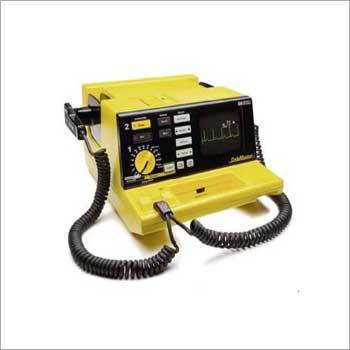
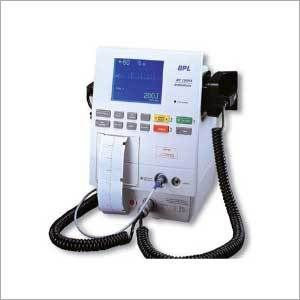
We are a one of the leading manufacturers of Hospital Monophasic Defibrillator Machine in the market. This is a device which restores a normal heartbeat by sending an electric pulse or shock to the heart. Hospital Monophasic Defibrillator Machine is used to prevent or correct an arrhythmia, a heartbeat that is uneven or that is too slow or too fast.
Specification
| Feature | Portable |
| Weight | 3-9.8 kg |
| Voltage | DC 12 V |
| Operation Mode | Manual |
| Usage/Application | ICU |
Engineered for clinical versatility, this device includes adult and pediatric paddles, making it suitable for patients of all ages. With synchronized and unsynchronized modes, it supports a wide range of cardiac emergency protocols.
Rapid Response with Reliable Safety FeaturesThanks to less than 10 seconds charging time, integrated audio/visual alarms, and a clear LCD display, medical teams can respond swiftly and safely during cardiac emergencies. Compliance with IEC 60601-1 and 60601-2-4 assures dependable performance.
Portable and User-Friendly DesignLightweight (approx. 6 kg) and crafted from high-grade ABS plastic with metal components, this monophasic defibrillator is built for portability without compromising durability. Its manual interface, LCD screen, and included accessories ensure immediate readiness.
FAQ's of Hospital Monophasic Defibrillator Machine:
Q: How does the hospital monophasic defibrillator function during cardiac emergencies?
A: The device delivers a controlled monophasic electric shock to the heart to restore a normal rhythm in cases of cardiac arrest. Its quick charging time and selectable energy ensure rapid intervention when every second counts.
Q: What is the process for selecting energy levels on this defibrillator?
A: Energy selection is manual and can be adjusted from 0 to 360 Joules using the device controls. This allows clinicians to tailor treatment based on patient requirements and emergency protocols.
Q: When should the synchronized or unsynchronized modes be used?
A: Synchronized mode is typically used for arrhythmias like atrial fibrillation, where timing the shock with the cardiac cycle is important. Unsynchronized mode is used in cases like ventricular fibrillation or pulseless ventricular tachycardia, delivering shocks immediately.
Q: Where can this defibrillator be effectively used?
A: It is suitable for use in hospital wards, cardiac emergency areas, clinics, and ambulances, making it versatile for both in-hospital and pre-hospital emergency care.
Q: What are the benefits of the integrated ECG display and monitoring?
A: The integrated ECG display allows real-time monitoring of the patient's heart rhythm and guides the provider in delivering shocks at the right moment, enhancing precision and safety during resuscitation.
Q: How long does the battery last and what happens during power outages?
A: The internal rechargeable battery supports up to 100 shocks or three hours of ECG monitoring, ensuring continuous operation even during mains power interruptions or emergency transport.






 Send Inquiry



 Send Inquiry
 Send Inquiry
 Send SMS